This three-part article series explains what gum disease is and the various signs and symptoms it comes hand-in-hand with. We also explore patients’ various treatment options.
Welcome to Part 2 of this three-part article series on periodontal (gum) disease, it’s signs and symptoms and recommended treatments. In Part 1, we spoke to a dentist in New Jersey who explained that gum disease is an advanced bacteria infection of the gums and supporting structures of the teeth. It’s typically caused by poor oral hygiene, a lack of preventative healthcare and certain habits, such as smoking and excessive alcohol consumption. In this article, we shall now examine the signs and symptoms Rutherford residents should be on the lookout for before discussing the various treatment options available.
Signs and Symptoms of Periodontal Disease
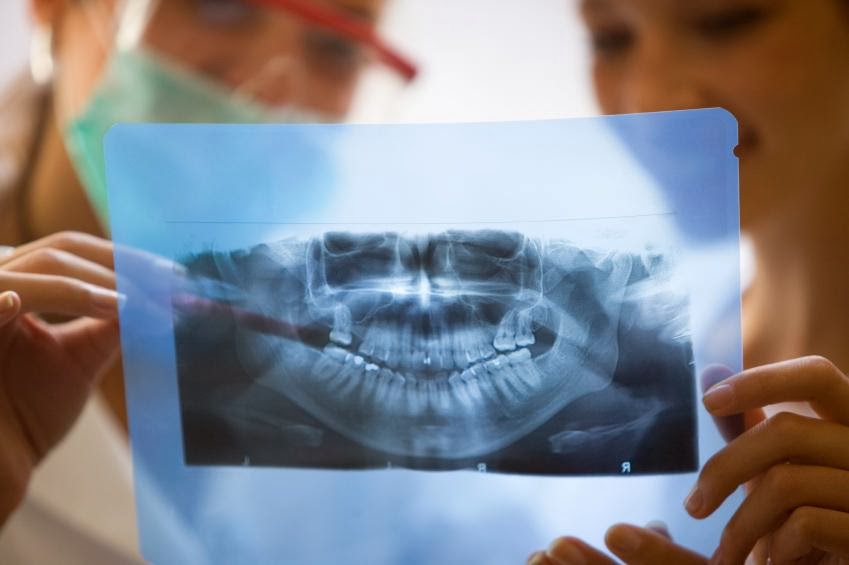 In the beginning stages, gum disease is known as gingivitis and can present with one or more of the following symptoms:
1. Red and inflamed gums,
2. Swollen, sensitive gums,
3. Gums that bleed easily when brushing and flossing,
4. Bad breath (halitosis): This can be difficult to diagnose, so it’s recommended that you ask a close friend or relative to tell you whether they’ve noticed your breath being persistently bad.
5. Discoloration of the teeth caused by the accumulation of plaque and tartar. The margins between the teeth can appear blurred.
In its advanced stages, gum disease is known as periodontitis and can present with one or more of the following symptoms:
1. Those listed above,
2. A persistent bad taste in the mouth that doesn't go away or comes back soon after brushing,
3. Brown mottling of the teeth and at the gum margins,
4. Recurring oral lesions or sores,
5. Loose teeth that are uncomfortable to eat with,
6. An exposure of the tooth roots as the gums recede from the crowns of the teeth,
7. Suppurating (pussy) gums and extremely painful oral abscesses,
8. Eventual tooth loss.
Doesn't sound very pleasant, does it? And yet, millions of Americans live with this condition every day and haven’t sought treatment. In fact, according to the Centers for Disease Control and Prevention, as much as 80% of Americans are currently living with some stage of gum disease; be it gingivitis or periodontitis. So...
Why Do People Allow Gum Disease to Progress?

“One of the biggest problems with gum disease is that it doesn’t typically cause much pain,” explain the dentists who place new teeth implants in Rutherford patients. “And since pain is what most frequently compels people to seek treatment, in its absence we find patients living with this condition for years without coming in for the necessary dental care. There is also a fear of what treatment might entail, but in all honesty living with gum disease and losing teeth is far more painful – to one’s self esteem and quality of life – than any treatment could ever be.”
“Gum disease is also linked with a host of other terrible and very dangerous health conditions, such as heart, respiratory, liver and kidney disease, as well as osteoporosis, diabetes, Alzheimer’s disease and dementia. The risks of living with gum disease are simply not worth it. You cannot justify avoiding treatment with “saving money” because the real cost could be your life.”
Stay Tuned for Part 3
To find out more about the various treatment options available for gum disease, stay tuned for the final installment of this three-part article series.

 Periodontal or gum disease is an advanced bacterial infection of the gums and the supporting structures of the teeth. It is caused by a lack of proper at-home and professional oral hygiene and comes hand-in-hand with risk factors such as:
 Tobacco use is one of the leading causes of gum disease and gum disease is the leading cause of tooth loss. Smoking also compromises the ability of patients to fight off infection and heal after dental work is done, so your best chance of keeping all of your natural teeth is to kick the habit!
 “Heavy drinking and drug abuse take as heavy a toll on the health of your teeth and gums as they do on your body,” explains a dental implants professional in New York. “Alcoholic beverages are almost always full of sugar and/or acid, which wears away at the dental enamel protecting your teeth. Alcohol also causes a condition known as ‘dry mouth’, which impedes the natural production of saliva. Saliva is a natural anti-bacterial, so people with frequent dry mouth tend to be more susceptible to tooth decay and gum disease. There are even some prescription medications that cause this condition so be sure to speak to your doctor about dosage or even a substitute if you experience this side effect.”
 Flossing is one of the most neglected, yet important oral hygiene habits. Most Americans do not floss daily as they should and a significant percentage never, ever does it. “Your teeth are three-dimensional and while the right brushing technique effectively cleans the front, back and top surfaces of the teeth, the contact points between them are being completely neglected,” explains a new teeth implants professional in Rutherford. “One of the most common sites for decay is in fact between the teeth and at the gum line. Flossing at nighttime before you go to bed at night is an essential step towards preventing the diseases that claim healthy teeth. It also an essential step in one’s recovery from gum disease.”
 All of this can sound somewhat frightening. No one enjoys the prospect of oral surgery, so the very best philosophy New York residents living with diabetes can adopt is to prevent rather than cure! “If you have been diagnosed with diabetes you must first accept that you will need to spend a little more time and spend a little more effort on looking after your teeth and gums,” explains a new teeth specialist in New York. “You should tell your dentist about your condition and ask him or her for advice on home oral hygiene care. You will also need to go for more frequent check-ups and professional cleanings as a part of the preventative healthcare regime that will keep your oral health in check.”
 “One of the greatest problems with diabetes is that it renders patients more vulnerable to gum disease and less able to fight off the kind of bacterial infections that lead to it,” explains a new teeth Professionals in Rutherford NJ. “These patients might initially experience gingivitis, which is the beginning stage of gum disease with symptoms that might include swollen, inflamed and spongy gums that easily tear and bleed when brushed or flossed. If allowed to progress, however, the infection can migrate deep down into the soft tissue surrounding the tooth roots, allowing deep pockets of bacteria and bacterial wastes to accumulate.”
  In the first few days following your procedure, it is recommended that you remain at home and relax while your mouth begins the healing process. Read a book, watch some TV, send out some emails… do all the things you never get around to doing when it’s all work, work, work. You should stick to a diet of soft foods for a few months and avoid any strenuous activities or exercise. You will be required to return to the dental implant center in Rutherford for a post-operative check-up around the 10 day to two-week mark to make sure your recovery is going well. Your new teeth will also be removed, cleaned and adjusted and your surgeon will advise you on your diet and hygiene instructions moving forward. By this stage you should be already well adjusted to your new teeth and smile.